Stress and Anxiety: The Hidden Epidemic of Modern Life
Discover how stress and anxiety are silently affecting millions, and learn practical ways to regain balance in a fast-paced world.
positivty
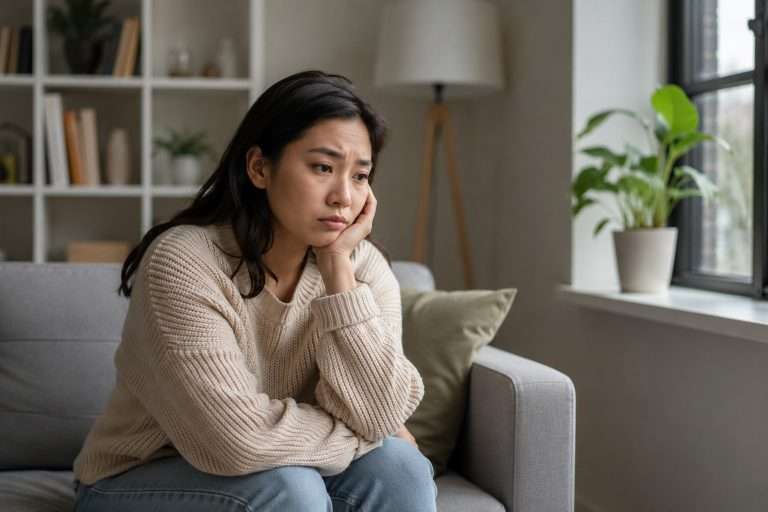
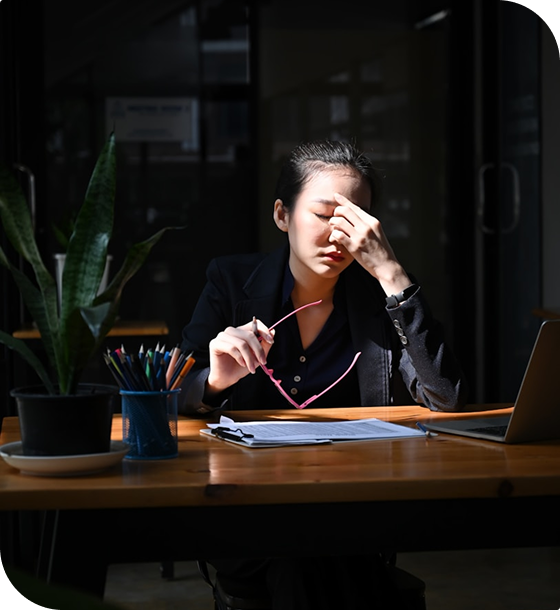
Imagine this, on a crowded weekday morning, a woman sat in her car outside an office building in Gurgaon. Everything was fine, although her hands would not stop shaking. She felt a familiar tightness in her chest, her heart was racing with a quiet fear that she might break down before the day even began! She sat there for ten minutes, breathing shallowly, looking out for anything or anyone that would calm her down!
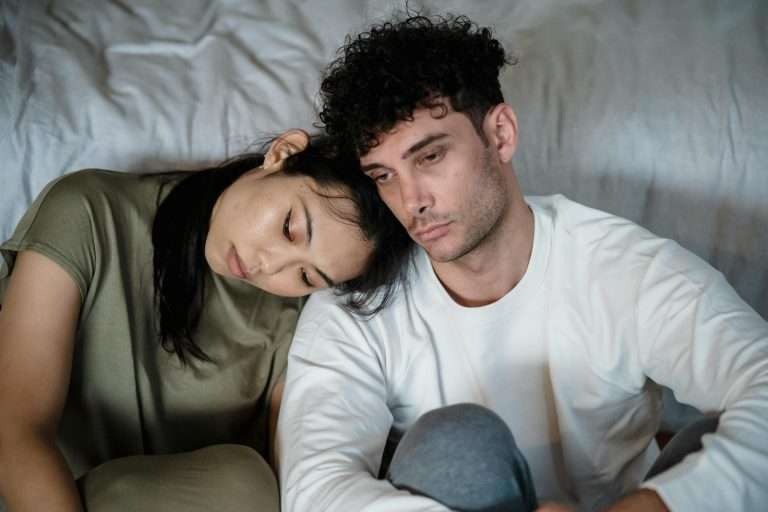
So this is how stress and anxiety often exist in real life. Not loudly. Not all at once. But persistently, threading themselves through ordinary days until calm feels distant.
However, our experienced Therapists at POSITIVTY believe that for one to maintain a healthy lifestyle and achieve overall well-being, online anxiety counselling and stress management therapy are extremely essential.
Anxiety & Stress and How Are They Related
In the above example, where the woman is feeling stressed, ANXIETY is a natural reaction to that stress. Feelings of worry, fear, and apprehension usually characterise it. Unlike occasional stress, anxiety tends to persist over a longer period and can interfere with daily life. Panіc attacks and anxіety attacks are both severe epіsodes of fear or discomfort.
Causes of Chronic Stress
Chronic stress rarely comes from one particular event. It rather builds slowly through layered pressures. Constant performance demands, financial uncertainty, unresolved grief, relationship issues, health problems, and the pressure to keep up with the appearance of “I am fine” all the time contribute. Contemporaririly around 42% of people who frequent digital media report feeling stressed by political and cultural conversations online. In addition to that, poor sleep and lack of emotional rest, the nervous system never truly gets powered off.
Over time, the body begins to treat everyday life as a threat. That is when stress stops being situational and becomes a condition.

Recognising the Symptoms of Stress
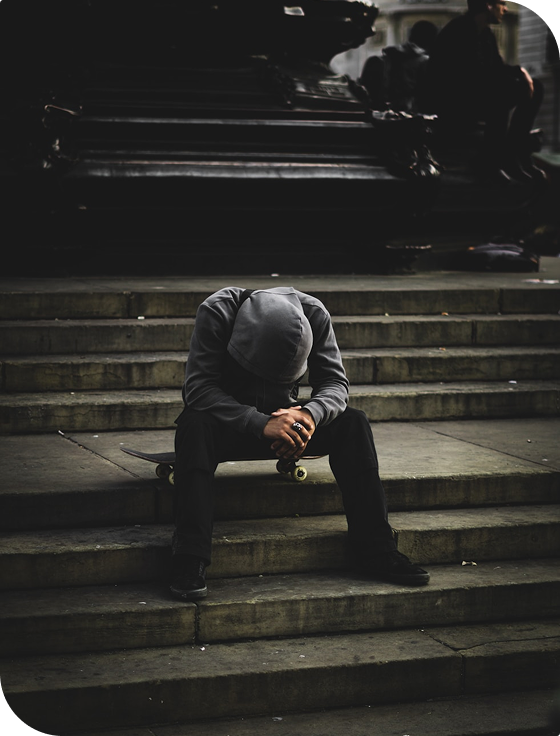
Stress shows up differently for everyone, but it commonly affects the trinity of body, emotions, and behaviour. Physical signs can include frequent headaches, persistent muscle tightness, or digestive discomfort. On an emotional level, stress may lead to irritability, sudden mood changes, or trouble focusing. Behaviourally, it can appear as disrupted sleep, withdrawing from others, or an increased reliance on addiction.
Nervous System Overload
Did you know that at the core of anxiety and prolonged stress is a dysregulated nervous system? When the body stays too long in fight-or-flight mode, the same reason why men avoid mental health therapies, stress hormones like cortisol remain high, muscles stay tense, our breathing becomes shallow, and lastly, our mind stays alert even when there is no dangerin physical form!
This sort of overwhelming overload explains why people with anxiety often feel super exhausted, yet they are unable to relax when they go to sleep. Its so tragic that the system that is meant to protect you forgets how to switch itself off.
How Evidence-Based Therapy Treats Anxiety and Stress Disorders
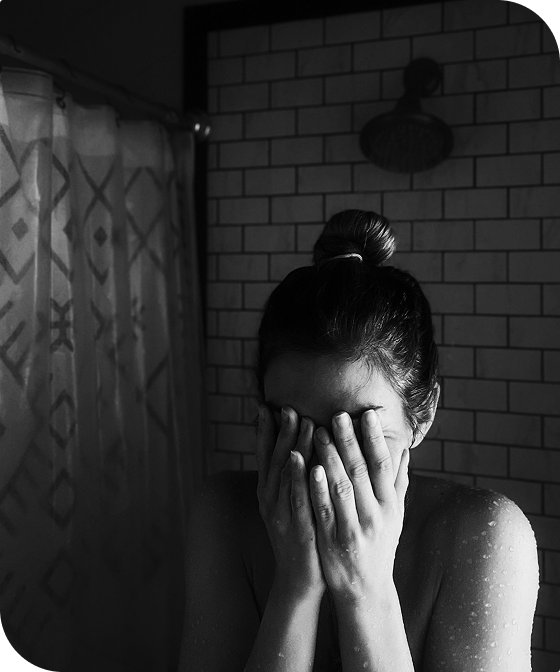
Therapy or anxiety treatment online does not aim to eliminate stress; it teaches regulation, resilience, and understanding that would go a long way. A mental health professional at POSITIVTY can help you explore the root causes of your anxiety or stress, develop coping strategies, and provide tools to navigate challenging situations.
- Cognitive Behavioural Therapy (CBT): Helps identify and reframe thought patterns that fuel anxiety.
- Interpersonal and Social Rhythm Therapy (IPSRT): Restores routine and sleep rhythms to stabilise mood.
- Medication Management: Supports moderate to severe anxiety by regulating stress-related neurotransmitters.
- Interpersonal Therapy (IPT): Addresses anxiety linked to relationship stress and life transitions.
- Mindfulness-Based Stress Reduction (MBSR): Trains awareness to reduce the brain’s stress response.
- Family-Focused Therapy (FFT): Improves family communication and reduces emotional triggers at home.
- Lifestyle Integration Coaching: Works on sleep, nutrition, and movement that impact anxiety.
- Teletherapy & Digital Support: Flexible online care for consistent, accessible anxiety treatment online.
Practical Daily Regulation Habits to Battle Stress
While online anxiety counselling plays a vital role, daily regulation or self-help habits can stabilise the nervous system between sessions.
Some evidence-based practices include:
- Slow, intentional breathing that extends the exhale
- Gentle movement, such as walking or stretching, to release stored tension
- Limiting caffeine and late-night digital screen exposure
- Creating predictable routines that signal safety to the brain
- Grounding practices like noticing physical sensations in the present moment
These habits do not erase anxiety overnight, but surely they reduce baseline stress and support long-term stress management therapy.
When to Seek an Anxiety Treatment Therapist
It may be time to seek professional support if:
- Anxiety interferes with sleep, work, or relationships
- Physical symptoms like palpitations or breathlessness persist.
- You avoid situations due to fear or overwhelm
- Self-help strategies no longer provide relief
Seeking therapy is not a failure of strength. It is an act of care!!
Frequently Asked Questions
1. What is the difference between stress and anxiety?
Stress is usually a response to an external situation and may ease once the situation resolves. Anxiety often persists even without an immediate trigger and can interfere with daily functioning.
2. Are physical symptoms of stress and anxiety common?
Indeed, very common! Symptoms like headaches, muscle tension, digestive issues, palpitations, and fatigue are often physical expressions of stress and anxiety.
3. Can lifestyle actually change or manage anxiety?
For mild stress, lifestyle changes can help. However, persistent or intense anxiety often requires professional anxiety treatment online and structured Stress Management Therapy for lasting relief.
4. How does therapy help with stress and anxiety?
Online anxiety counselling helps identify root causes, regulate the nervous system, manage thought patterns, and build emotional resilience through evidence-based techniques guided by trained therapists.
5. When should I consider seeking professional help?
If stress or anxiety disrupts sleep, work, relationships, or overall well-being, or if self-help strategies are no longer effective, it is a good time to seek an online anxiety counselling and mental health professional.
6. Can Stress impact anyone?
Yes. Stress and anxiety can affect people of any age, background, or lifestyle. They are natural responses to pressure, but when prolonged, they can impact mental and physical health.
Conclusion
Remember that stress and anxiety are not personal flaws. They are signs that your body and nervous system have been under strain for too long.
We all have different journeys, and hence what works for one person may not work for another. However, with compassionate anxiety treatment therapy, consistent practices, and structured stress management treatment, peace can slowly become familiar again. Stress Management Therapy, offered through supportive online anxiety counselling platforms like Positivty, helps individuals regain balance with the guidance of trained therapists who focus on understanding, not judgment.
#AnxietyRelief #MentalWellness #OvercomeAnxiety #AnxietySupport #MindCalm #StressRecovery #BreatheThroughIt #DailyMindfulness #InnerPeaceJourney