Understanding Online Depression Counselling: A Silent Struggle
Online depression counselling provides compassionate support to help you understand your feelings and start healing, all from the comfort of your own space.
positivty
Back in the year 2014, actress Deepika Padukone spoke about a phase in her life when everything looked perfect from the outside. Her career and her fandom were soaring, her films were succeeding. And yet, she woke up every morning with an unexplainable heaviness. She tried everything she could and yet returned home and cried without knowing why. She later shared that the scary part was not sadness, but the unbearable confusion. After juggling with this quiet disconnect for months, she was diagnosed with ‘Depression’ after frequenting therapy centres for depression. This is how depression enters your life. Not as visible despair, but as a silent disconnect between the life you are living and the feeling you are carrying inside.
The Emotional and Physical Signs of Depression
Always remember that Clinical depression affects more than emotions alone. It shows up in the body, in energy levels, sleep, appetite, etc., often overlapping in ways that deeply affect daily functioning and well-being.
- A persistent sad or empty mood
- Loss of joy or interest in activities once enjoyed
- Feelings of hopelessness, guilt, or worthlessness
- Fatigue, low energy, or sluggishness
- Changes in sleep, either a lot or not at all
- Appetite or weight changes
- Trouble concentrating or making decisions
- Unexplained aches and pains throughout the body
- Thoughts of ending your life in severe cases

What Is Clinical Depression?
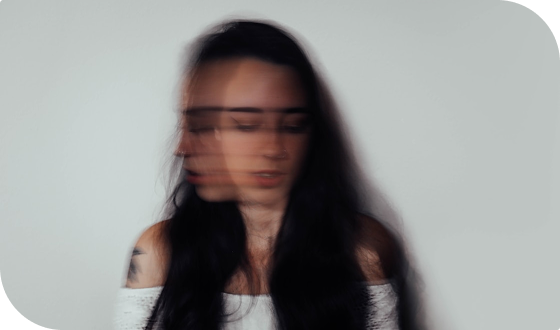
In India, approximately 11 to 15% of adults experience mental health issues, with depression emerging as one of the leading contributors. Clinical depression, also known as Major Depressive Disorder, is more than a few gloomy days. It is a mood disorder characterised by a persistent low mood, loss of interest in things you once loved, and significant changes in energy and thinking patterns that linger for weeks or more. It affects people differently, but it causes significant distress when carrying out day-to-day tasks.
Why Depression Happens: Biological, Psychological, and Social Factors
Biological Factors: When the Brain and Body Are Involved
Depression often has a biological foundation. Research shows that changes in brain chemistry, particularly involving neurotransmitters like serotonin, dopamine, and norepinephrine, can affect mood regulation and emotional balance. Genetics also play a vital role, as if a close family member has had depression history of depression, then the risk becomes higher as depression may rise to about 2 or 3 in 10 over their lifetime.

Social Factors: The Role of Society and Relationships
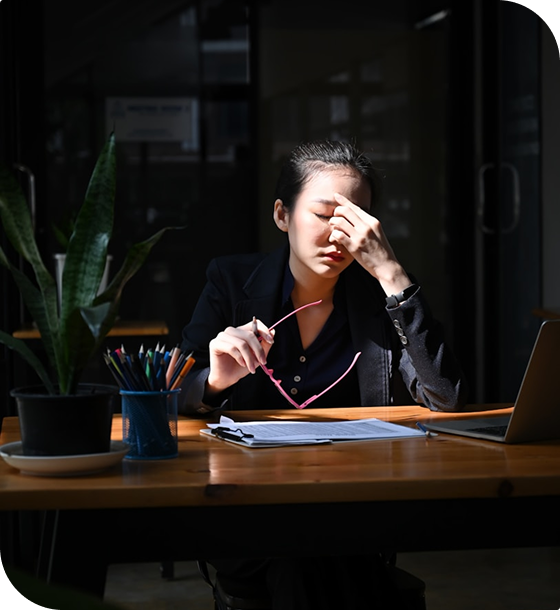
We Humans are deeply social creatures, and the type environments we live in shape our mental health. Significant life stressors, such as loneliness, lack of an emotional support, relationship conflicts, or prolonged stress at work can all increase vulnerability to depression. Financial strain, unemployment, academic pressure, or caregiving responsibilities may leave little space for rest or self-care. In addition to that, social stigma around mental health often makes depression even harder to deal with. While searching for online therapy for depression, the first lookout is that people feel they have to hide their pain or force themselves to ‘MAN UP’ their struggles even when support is truly needed.
Psychological Factors: Patterns of Thought and Inner Experience
Psychological factors usually shape how a person interprets and responds to life. Not everyone can manage the long-standing patterns of self-criticism, judgment, perfectionism, or feeling unworthy; as a result, they may slowly erode emotional resilience. We at Positivty’s Online Depression Counselling have often heard this statement that “LIFE HAS FOREVER BEEN UNFAIR TO ME” In context to this line, many people who have continuously experienced repeated losses, emotional neglect, or major setbacks in life may internalise a sense of helplessness.
How Depression Affects People Across Different Age Groups
One may suffer from a Depressive episode at any age. However, the signs, diagnosis, and type of online therapy for depression that will be sought can differ by age and gender.
Children and Adolescents
Although it may sound surprising, in children and teenagers, depression may not always look like sadness. It often shows up as irritability, boredom, declining academic performance, or being self-critical at times. And the sad part of our
Society is such that children often struggle to express their feelings and are often overlooked.
Be it parents or educators, it is important to talk to kids, creating an open, honest communication, and take them to a good therapy centres for depression.
Older Adults
In elderly folks, depression is sometimes mistaken for a normal part of ageing! It may happen as a loss of interest, increased physical complaints, sleep problems, or memory difficulties. Social isolation, health issues, and grief can increase vulnerability, making early recognition and support especially important.
Types of Therapy for Depression
We believe that Psychotherapy often called “talk therapy, offers a steady path back to yourself when the ground feels unsteady. It gives you a safe space to make sense of what you are feeling, without judgment or pressure to “fix” everything at once!
1. CBT (Cognitive Behavioural Therapy)
CBT helps you recognise and challenge negative or self-critical thoughts and replace them with healthier, more balanced ones. It also focuses on small behavioural changes that improve mood and daily functioning.
2. MBCT (Mindfulness-Based Cognitive Therapy)
MBCT combines mindfulness with cognitive tools to help you relate differently to distressing thoughts. It’s especially helpful in preventing relapse in recurring or long-term depression.
3. IPT (Interpersonal Therapy)
IPT addresses how relationships, life transitions, and unresolved grief affect emotional well-being. It helps improve communication and emotional understanding during difficult life phases.
4.Group Therapy
Group therapy offers a supportive space to share experiences with others facing similar challenges. Guided by a therapist, it helps reduce isolation and strengthen coping skills through shared learning.

What Online Depression Counselling Looks Like in Therapy
Recovery is not a single moment of morning! It is like a series of softer dawns. In Online therapy centers for depression, like Positivty, people learn to understand patterns, build coping skills, explore meaning, and reconnect with life purpose.
Our distinguished therapists have therefore created a plan of Progress that includes:
- Personalised Therapy
Clients are matched with therapists experienced in their type of depression, with care that adapts to changing needs and energy levels. - Evidence-Based Support
Therapy uses proven methods like CBT and practical tools to manage negative thoughts and emotional overwhelm in daily life. - Support Beyond Sessions
Help is available during difficult moments, with additional workshops and family support to reduce isolation and prevent crises. - Building Long-Term Resilience
Focus is on lasting recovery through relapse planning, healthy routines, and regular progress tracking.
Medication & Therapy Together at Positivty
In many cases, combining medication with psychotherapy offers the strongest support. At our online depression counselling, we suggest that Medications like antidepressants can help balance brain chemistry, while therapy gives psychological tools and emotional direction. Together, they can gently accelerate recovery and make therapy work more deeply, depending on the cases!
FREQUENTLY ASKED QUESTIONS
- Is depression different from stress?
Yes. Stress is temporary, while depression lasts longer and affects daily functioning. - Can depression happen to anyone?
Yes. Depression can affect anyone, regardless of age, gender, background, or life situation. - Is online depression counselling effective for depression?
Yes. Online therapy for depression can be as effective as in-person sessions. especially when sessions are consistent and guided by trained professionals. - Do I need medication for depression?
Not always. Some people benefit from therapy alone. - How long does recovery take?
There’s no fixed timeline. Progress varies for each person. - Can depression come back?
Yes, but therapy helps reduce relapse and manage symptoms.
CONCLUSION
At Positivty, online therapy for depression is not about rushing recovery, but about walking with you through it at your personalised pace. Therefore, if you or someone you love is struggling, reaching out for help is not giving up! It is the first brave step toward feeling like yourself again.
#AnxietyRelief #MentalWellness #OvercomeAnxiety #AnxietySupport #MindCalm #StressRecovery #BreatheThroughIt #DailyMindfulness #InnerPeaceJourney