Online Therapy vs In-Person: Which Is Better for You?
Author – Afeefa Rafath, Counseling Psychologist
Therapy is now more accessible than ever. Some people still like meeting their therapist in person, but many have started using online sessions. After the COVID-19 pandemic, online therapy has become a popular way to get emotional support.
When the pandemic started in 2020, many people could no longer meet their therapists in person. As a result, both therapists and clients quickly switched to online sessions, even though they were unsure how well virtual therapy would work. As online therapy has become more established beyond the pandemic, it has continued to shape the mental health landscape. Both online and in-person therapy can support your mental health, but many people still wonder which option might be more effective or simply a better fit for them.
Both options have their own benefits and challenges, and what works for one person may not work for another. This blog explores the differences between online and in-person therapy to help you decide what may suit your needs best. Let’s start by looking at what online therapy is and how it works.
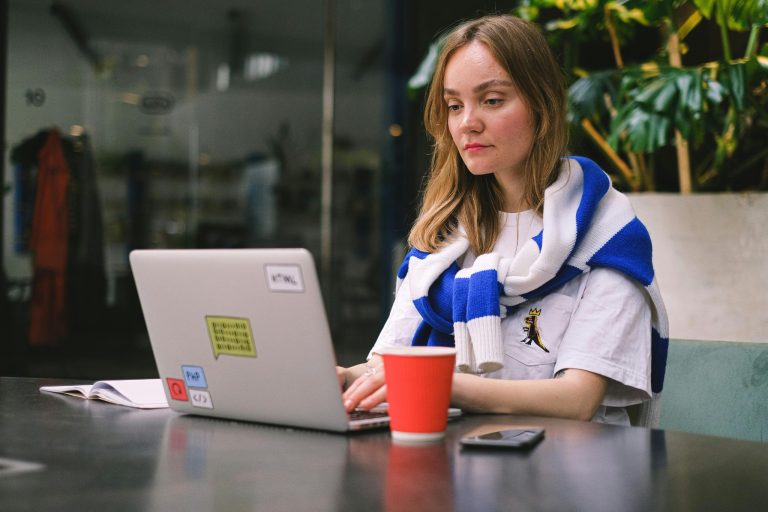
Online therapy, also known as teletherapy or virtual therapy, allows people to connect with a licensed mental health professional via video calls, phone calls, or secure messaging platforms. Online therapy is quite similar to traditional therapy. Sessions usually last around 40 to 60 minutes, but the main difference is that you can join from anywhere as long as you have a good internet connection.
Online counseling services have made mental health care more flexible, accessible, and convenient for many people.

Benefits of Online Therapy
- Convenience and Flexibility
One of the biggest advantages of online therapy is convenience. It allows people to attend sessions from home or fit therapy more easily into busy schedules.
- Easier Access to Support
Mental support online platforms can make it easier for people in remote areas or those facing travel, mobility, or childcare challenges to access therapy.
- Reduced Anxiety Around Therapy
For some people, online therapy can feel less intimidating because sessions happen in a familiar, comfortable space like their own home.
- Effective for Many Mental Health Concerns
Research shows that online therapy, especially CBT, can be as effective as in-person therapy for many concerns, according to a peer-reviewed study published in JMIR Mental Health (Moghimi et al., 2023; PubMed Central). This suggests that outcomes often depend more on the quality and consistency of care than on whether therapy is online or in person.
Common concerns that often respond well to online therapy include anxiety, depression, stress, OCD, and PTSD. Knowing this can help you understand whether this approach might be a good fit for your needs.
Studies show that people receiving online treatment for depression, anxiety, PTSD, and OCD continue to improve, suggesting that trust, support, and ongoing care can still work well in virtual sessions. For some individuals, attending therapy from home may make it easier to open up during conversations.
- Better Session Consistency
Research suggests that online therapy may help people stay more consistent with sessions because it is more flexible and reduces the stress of travel and scheduling.
Reducing the time and effort needed to attend therapy can make it easier for people to stay consistent with it.
Challenges of Online Therapy
- Technology Issues
Online therapy depends on technology, so issues like poor internet connection, technical glitches, or audio/video problems can sometimes interrupt sessions and affect communication.
- Privacy Risks
Not everyone has a quiet or private space at home, which can make online sessions feel less private or comfortable.
- Nonverbal Communication
Video sessions still let therapists see facial expressions and hear tone, but some body language can be missed. Text-based therapy can make communication feel even more limited.
- Therapists May Miss Certain Concerns
Online therapy can be effective, but screen-based communication and technical issues can sometimes affect how deeply people connect and communicate. Some people may still benefit more from structured, in-person support depending on their individual needs.
- May Not Suit Severe Mental Health Conditions
Individuals experiencing severe mental health crises often need immediate, in-person support and closer care. If you or someone you know is in crisis or having thoughts of self-harm, please seek help right away! It’s important to contact a mental health professional, a crisis helpline, or emergency services.
Contact a mental health professional, call a crisis helpline, or go to the nearest emergency room to stay safe. Crisis support services can offer immediate help and guide you to the right care.
If you or someone you know is in distress, kindly contact the following:
- KIRAN Mental Health Helpline (Government of India)
📞 1800-599-0019
24/7 toll-free national mental health helpline. - AASRA
📞 +91-22-27546669
24/7 suicide prevention and emotional support helpline. - iCALL (TISS – Tata Institute of Social Sciences)
📞 9152987821
Provides telephone and email-based counselling support. - Vandrevala Foundation Helpline
📞 9999 666 555
24/7 emotional support and crisis intervention. - Sneha Foundation (Chennai-based support)
📞 +91-44-24640050
Offers suicide prevention and emotional support services.
Online therapy may not be right for everyone, especially if someone doesn’t have good internet, a private space, or feels uncomfortable talking through a screen.
Understanding In-Person Therapy
People going through a severe mental health crisis may need more direct, in-person support and closer care.
In-person therapy involves face-to-face sessions with a licensed therapist in a private and calm setting. During sessions, therapists help individuals explore their emotions, thoughts, behaviors, and life challenges through regular scheduled support. Many people really value the personal connection and calm, focused space that in-person therapy offers.
Benefits of In-Person Therapy
- Stronger Interpersonal Connection
For some people, face-to-face interaction feels more engaging and helps build trust and emotional safety.
- Better Understanding Through Body Language
In-person therapy also lets therapists pick up on nonverbal cues more easily, which can help them better understand how someone is feeling.
- Fewer Distractions
A therapist’s office can offer a quiet, distraction-free space that helps people stay more present and focused during sessions.
- Helpful for Intensive Support
Some therapies and more severe mental health concerns may benefit from in-person support, where closer observation is possible, such as in art or play therapy.
Challenges of In-Person Therapy
- Travel and Accessibility Issues
Travel, distance, or physical limitations can sometimes make it harder for people to access in-person therapy.’
- Limited Therapist Availability
In some areas, finding therapists with specific expertise can be challenging. But digital platforms like Positivity, professional directories, and mental health clinics can help you filter options and access qualified specialists more easily.
Referrals from doctors and other healthcare professionals can also help. Teletherapy can expand your options beyond your local area, and checking therapist profiles can help you find the right fit.
- Scheduling Difficulties
Long waiting times and scheduling conflicts can sometimes delay access to care.
- Higher Costs in Some Cases
In-person therapy may involve additional costs such as travel, parking, and time off work. Online therapy often reduces these expenses.
Depending on insurance coverage and provider policies, therapy online services may also offer more flexible and affordable payment options, which can make ongoing care easier to manage for many people.

Online Therapy vs In-Person Therapy: Key Differences
Aspect | Online Therapy | In-Person Therapy |
Accessibility | Easier to access for people with busy schedules, disabilities, or travel challenges. Virtual therapy also helped many people continue care during lockdowns and health restrictions. | May require more travel, commute time, and schedule adjustments. |
Comfort and Environment | Some people feel more comfortable opening up in their homes or in familiar surroundings. | Some people prefer the structure and setting of a therapist’s office. |
Privacy | Allows people to attend sessions discreetly from their own space. | Can offer a private, distraction-free setting. |
Communication Approach | Online sessions can sometimes feel less emotionally connected. | Face-to-face sessions allow better nonverbal communication and emotional connection. |
Commitment and Follow-Through | Convenience may make it easier to attend sessions regularly and stick with treatment plans. | Staying committed may require more effort due to travel and scheduling demands. |
Effectiveness | Research suggests online therapy can be effective for many mental health concerns. | Research also supports the effectiveness of in-person therapy. In both cases, the therapist relationship, treatment approach, and consistency of care often matter most. |
In both cases, the therapist relationship, treatment approach, and consistency of care often matter most.
Who May Benefit More from Online Therapy?
Online therapy can be helpful for people with busy schedules, long work hours, frequent travel, or limited access to mental health services.
It can also help people with mobility issues, social anxiety, or caregiving responsibilities who find it hard to travel to therapy. People who feel more comfortable talking in familiar surroundings may also find online counseling services easier and less intimidating.
Who May Benefit More Through In-Person Therapy?
In-person therapy may feel more supportive for people who value face-to-face connection and a structured setting.
It may also be more suitable for people experiencing severe emotional distress, acute psychiatric symptoms, or a mental health crisis, where closer support and observation are needed.
Some people simply find it easier to connect emotionally and stay focused when they’re in a therapy room in person.
How to Choose the Right Therapy Option for Yourself
- Consider Your Comfort
Ask yourself where you feel safest and most comfortable opening up. Feeling emotionally safe in therapy can make a big difference.
- Think About Your Lifestyle
Your work schedule, commute, family responsibilities, and energy levels can all affect which option feels more practical and easier for you to stick with.
- Consider Your Mental Health Needs
Different mental health concerns may need different levels of support. Some people may benefit from the flexibility of online therapy, while others may need the structure and closer support of in-person care.
- Focus on Quality of Care
The format of therapy matters less than the quality of support you receive. What really matters is finding a therapist who makes you feel seen, supported, and understood, whether sessions are online or in person.
- Remember That One Approach Does Not Fit Everyone
There’s no one “right” way to do therapy. Some people prefer in-person sessions, while others feel more comfortable online. Being able to choose what works best for you can make it easier to stick with therapy and get the support you need over time.
- Try Both if Needed
It’s completely okay to try one format and switch later if your needs or comfort change. Flexibility is an important part of finding the right support for you.
Tips to Make Therapy More Effective
No matter which therapy format you choose, a few simple steps can help you get the most out of it:
● Attend sessions regularly.
● Be honest and open during conversations.
● Find a therapist you feel comfortable with.
● Give yourself time to build trust.
● Practice coping skills outside therapy sessions.
● Use headphones and pick a quiet, private space where you won’t be interrupted or overheard during your sessions.
Stay Open to the Process
How you think about therapy can really shape your experience. Going in with an open mind and realistic expectations can make it easier for you to stay engaged and stick with the process over time.
Build a Helpful Routine
Having support from people you trust and building a simple routine around therapy can really help you stay consistent. Small habits like attending sessions at the same time each week or taking a few minutes to mentally prepare beforehand can make therapy feel steadier, comfortable, and meaningful.
Therapy takes time, and progress doesn’t happen overnight. Staying consistent and being patient with yourself can make a real difference over time.
Final Thoughts
Both online and in-person therapy can offer real emotional support and effective care. One isn’t better than the other. It really comes down to what feels right for you, your comfort level, lifestyle, and mental health needs.
Some people prefer the convenience and flexibility of online support, while others feel more connected in face-to-face sessions. What matters most is choosing the support that feels safe, easy to access, and helpful for you. At the end of the day, it’s not about where therapy happens. What matters most is getting support that helps you feel heard, safe, and supported through life’s challenges.
Taking the first step toward therapy, no matter the format, can be an important move toward improving your mental health.