Why Men Avoid Mental Healthcare: Barriers, Stigma and How to Encourage Support
Mental health is a critical component of overall well-being, yet a significant number of men worldwide hesitate to seek professional help when facing psychological challenges.
positivty
One evening, at a crowded railway station in Noida, a young man stood near the platform’s edge, his shoulders shaking. He was not loud, but he was clearly sulking quietly as trains arrived and left. An elderly woman noticed him. She hesitated at first, then asked him gently if he was alright. He did not answer at first. After a pause, he wiped his face, straightened his back, murmured something indistinct, and walked away. Back into the crowd as if nothing had happened.
According to a report of 2024, About 40% of men in India hesitate to talk about their mental health openly. The incident mentioned above carries a larger truth. Many men feel their pain must be swallowed, not spoken. And this is one of the biggest reasons men avoid mental healthcare or online mental health counselling! At Positivty, we feel that it is high time for an open conversation about men’s mental health to emerge in this context, as real strength isn’t built on silence but on seeking help when the weight becomes too heavy.
Cultural Conditioning and Masculinity Myths
We cannot deny that in India, from early childhood, many boys receive a rather firm lesson that toughness equals manhood and showing emotion equals weakness. These teachings are not casual; rather, they shape entire inner worlds of men as they progress towards education, career and relationship; emphasising emotional control, self-reliance, and stoicism, which research shows significantly reduces men’s likelihood to seek online mental health counselling.
Men who don’t reach out for support often try to manage their pain in damaging ways with a “FIGHT or FLIGHT” reaction, releasing hormones like norepinephrine and cortisol and switching towards damaging coping mechanisms like alcohol addiction, emotional withdrawal, depression, and eventually turning to suicide. Despite these alarming statistics, men are less likely to seek mental health treatment compared to women.
Fear of Vulnerability: When Opening Up Feels Judgemental
At Positivty, our therapists or men’s mental health doctor asks for vulnerability! It is a willingness to speak truthfully about internal experience. Now, for some men, this may feel weird, not because they lack strength, but because they have never been invited to show weakness without any judgment, ridicule, or even vulnerability, which is 100% a human quality, regardless of gender.
When Anger Masks Depression
There is a romantic notion that the world often expects men’s distress to be expressed as aggression, not sadness. In return, Anger becomes the socially acceptable expression of pain, something that feels manly rather than tender, causing irritability, outbursts and sudden breakdown in which everything spills out at once!
Relationship Strain from Emotional Suppression
Men’s mental health issues can significantly affect the dynamics of relationships, creating distance and misunderstanding. Your partners, friends, and family may sense something is wrong, but a lack of communication at this level keeps the emotional intimacy away. Thus, the inability to express emotional needs will often result in isolation, reinforcing the belief that no one would understand anyway!
Common Symptoms of Men’s Mental Health Struggles
At Positivty, we recognise the quiet struggle of men who appear composed on the outside while carrying deep emotional distress within. We see it as our responsibility to identify and address these symptoms.
- Persistent irritability, frustration, or sudden anger outbursts
- Emotional numbness or feeling disconnected from oneself and others
- Withdrawing from friends, family, or activities once enjoyed
- Changes in sleep patterns, including insomnia or excessive sleeping
- Increased reliance on alcohol, substances, or risky behaviours
- Difficulty concentrating, making decisions, or staying motivated
- Physical complaints such as headaches, fatigue, or unexplained body pain
- Feelings of hopelessness, emptiness, or a loss of purpose
Male-Focused Mental Health Therapy: Why Context Matters at Positivty
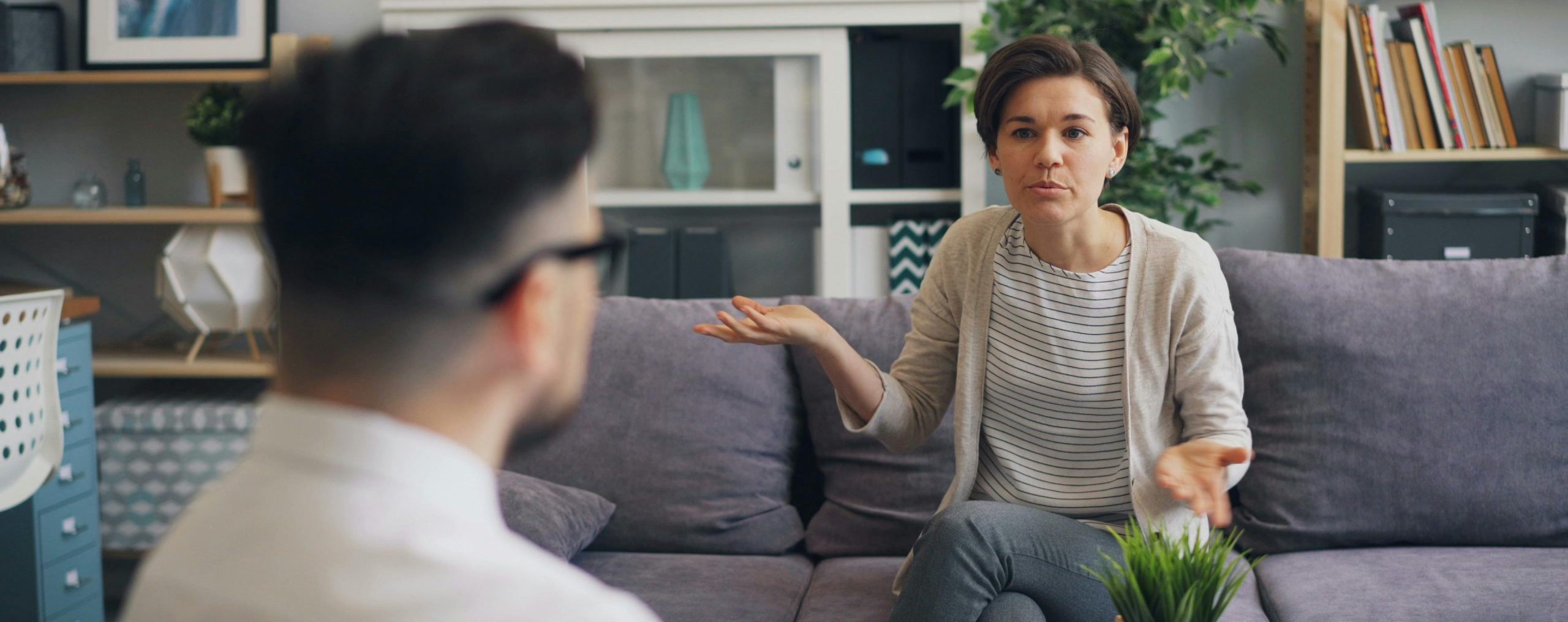
To associate with mental healthcare, some men prefer concrete, goal-oriented sessions. We at Positivty, are doing our best to connect people with our certified men’s mental health doctor, offering online mental health counselling for flexible, confidential pathways to support without the pressure of traditional clinical settings. Positivty believes mental health is not a luxury but a necessity, and that therapy should meet people, especially our MEN, where they are, respecting their pace and comfort.
Positivty’s Effective Mental Health Therapy Techniques for Men
Cognitive Behavioural Therapy (CBT): Helps men recognise negative thought patterns and replace them with healthier, solution-focused behaviours. It is especially useful for depression, anxiety, stress, and anger management.
Dialectical Behaviour Therapy (DBT): Focuses on emotional regulation, distress tolerance, and impulse control, making it particularly effective for men struggling with self-destructive behaviours or intense emotional reactions.
Mindfulness-Based Therapy: Encourages awareness of thoughts, emotions, and physical responses without suppression or judgment, helping men respond rather than react to stress.
Skills-Focused Approach: Many of our therapies emphasise practical tools that can be applied in daily life, which often resonates with men who prefer actionable strategies.
Gradual Emotional Expression: Therapy allows men to explore vulnerability at a comfortable pace, reducing resistance and building trust over time.
FREQUENTLY ASKED QUESTIONS
- Why do men avoid mental healthcare?
Social stigma and masculinity norms teach men to suppress emotions and handle problems alone. This often prevents them from seeking timely professional support. - How does masculinity affect men’s mental health?
Traditional ideas of masculinity discourage emotional expression. Over time, this leads to emotional repression and untreated mental distress. - What are common signs of mental health struggles in men?
Men may show irritability, withdrawal, sleep changes, or increased substance use.
These symptoms are often mistaken for stress or personality traits. - Why does depression in men appear as anger?
Society permits anger but discourages sadness in men. As a result, emotional pain often surfaces as irritability or aggression. - Can therapy help men who struggle to open up?
Yes, therapy provides a structured, non-judgemental space. Men can explore emotions at their own pace using practical tools provided by our men’s mental health doctor. - How does Positivty support men’s mental health?
Positivty offers confidential, flexible online mental health counselling with certified therapists. Its approach makes mental healthcare accessible and stigma-free for men.
Conclusion: Redefining Strength and Healing
Remember the man at the station at the start of the article? He did not walk away because he was fine. He walked away because he was not ready or perhaps did not know that someone could actually hear him without judgment. Men often avoid mental healthcare not out of denial, but out of fear shaped by years of cultural messaging and emotional repression.
Therefore, we must provide them with a proper supportive environment and the necessary mental health assistance with collective efforts that should come even from you as a reader, join our WEBINAR and experience the community that breaks the STIGMA!
Therefore, if you or your close ones are experiencing ongoing mental distress, then seek mental health counselling or therapy without delay from Positivty as your well-being matters to society, and you deserve to live to the fullest!
#AnxietyRelief #MentalWellness #OvercomeAnxiety #AnxietySupport #MindCalm #StressRecovery #BreatheThroughIt #DailyMindfulness #InnerPeaceJourney